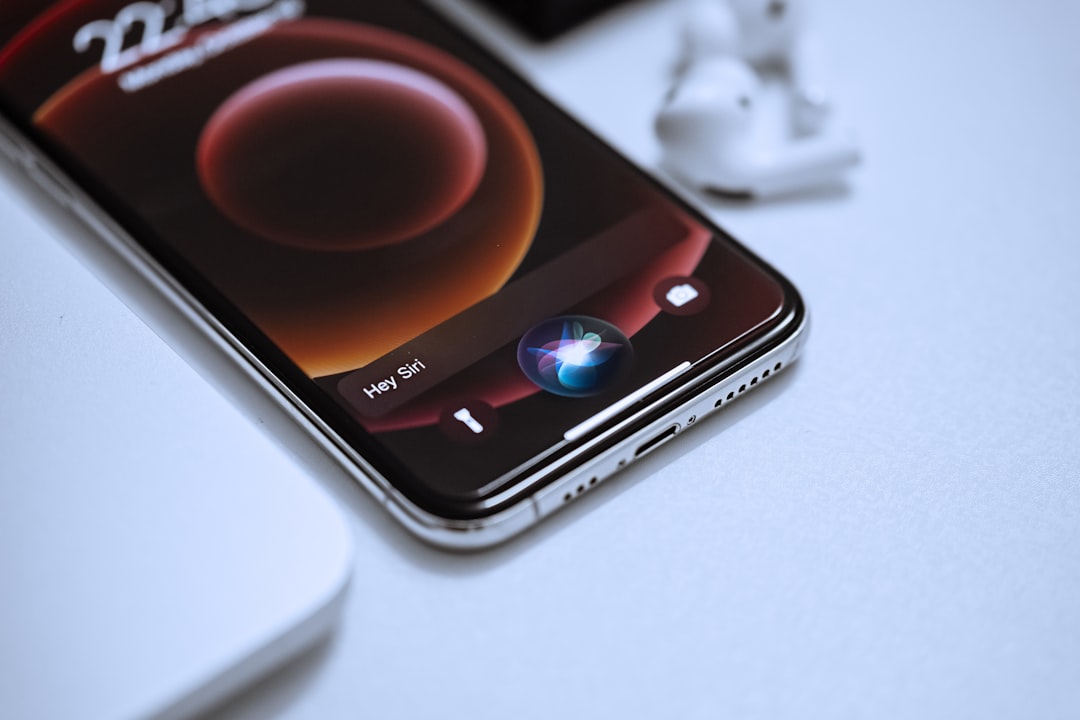
In South Carolina, spam calls, especially robocalls, are a legal issue governed by the Telephone Consumer Protection Act (TCPA) and state regulations. Consulting with robocall lawyers is crucial for protecting against unwanted automated communications. Residents can take steps like enrolling in the National Do Not Call Registry, using call-blocking apps, and reporting spam to combat these calls, with legal action available through consumer protection agencies if needed.
In South Carolina, managing spam calls has become a pressing issue due to evolving robocall laws. This comprehensive guide aims to empower residents with knowledge and tools to combat unwanted telemarketing calls effectively. We explore the legal landscape surrounding robocalls, decipher common patterns, and offer strategic solutions for prevention and blocking. Additionally, discover resources for reporting these intrusive calls. For those considering legal action against persistent spammer, we provide insights on finding reputable robocall lawyers in South Carolina.
Understanding Robocall Laws in South Carolina

In South Carolina, managing spam calls is not just about annoyance; it's a legal matter. The Telephone Consumer Protection Act (TCPA) sets strict guidelines for automated telephone marketing, including robocalls. These laws protect consumers from unwanted and unsolicited calls, texts, and faxes, giving rise to significant penalties for violators. If you're dealing with an excessive number of spam calls, it's crucial to understand your rights under South Carolina's robocall laws.
Consulting with a robocall lawyer in South Carolina can provide clarity on how to proceed. These legal experts specialize in navigating the TCPA and state-specific regulations, helping individuals and businesses defend their rights and take appropriate action against persistent spam callers. By understanding your options under these laws, you can effectively manage and reduce the volume of unwanted calls you receive.
Identifying Common Spam Call Patterns
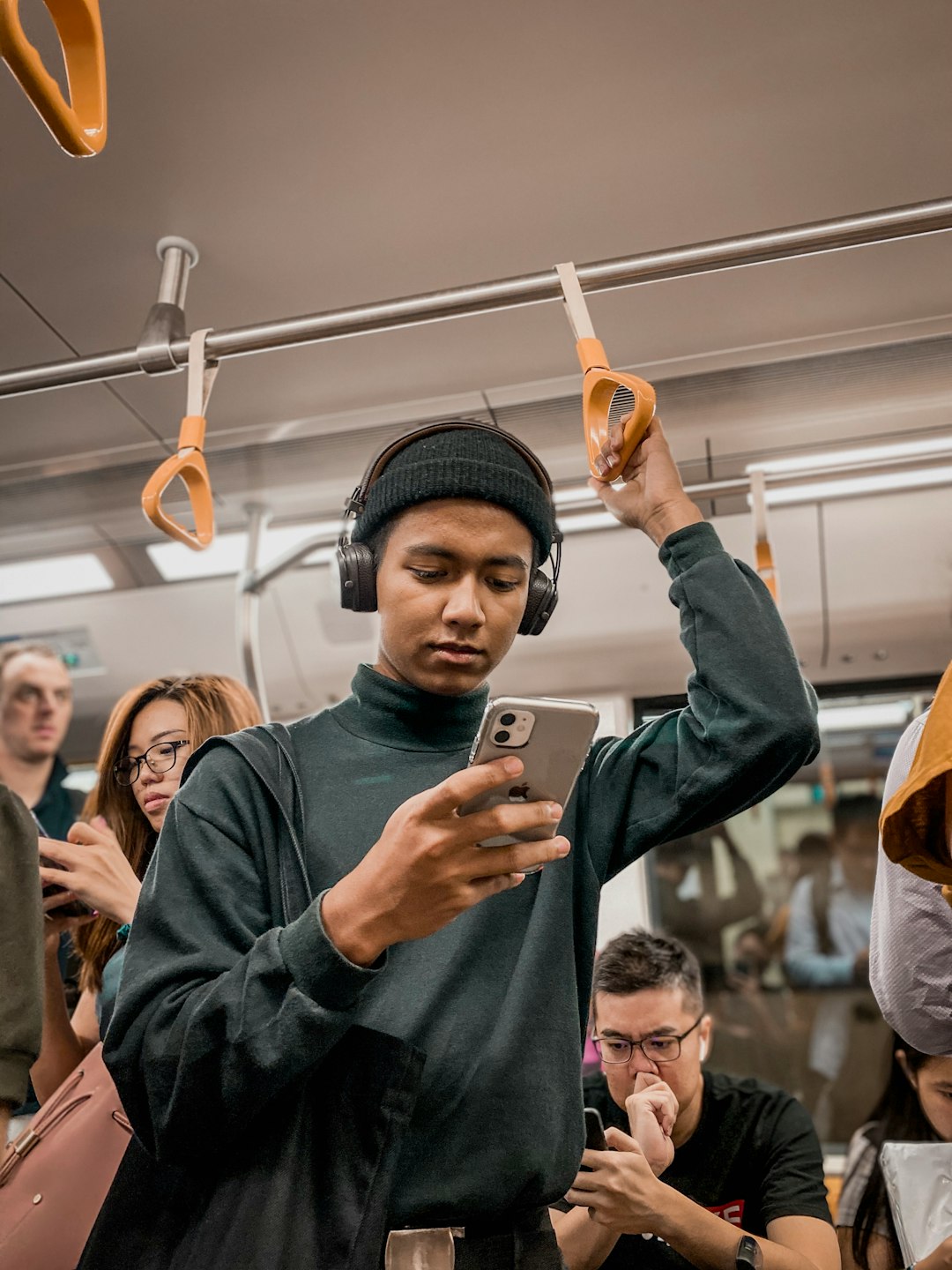
Spam calls, often referred to as robocalls, have become a prevalent nuisance for many South Carolinians. By understanding common patterns, you can better identify and manage these unwanted intrusions. Robocallers frequently target areas with high population densities, so urban centers like Charleston, Columbia, and Greenville may see more of these calls. They often use automated dialing systems to make mass calls, targeting specific demographics or those who have previously expressed interest in legal services, as seen with robocall lawyers South Carolina.
One common pattern is the use of spoofed numbers, where callers alter their display names to appear local. These calls may claim to be from government agencies, utilities companies, or even your own bank, attempting to trick recipients into providing personal information. Another pattern involves repeated calls from different numbers, often within a short time frame. Staying informed about these tactics can empower you to better protect yourself and avoid falling victim to spam calls.
Protecting Your Rights: Legal Action Against Robocallers

In South Carolina, as in many places across the nation, robocalls have become a persistent and annoying problem for residents. While many people believe they have limited recourse against these automated phone calls, it's important to know that you do have legal rights and options available. If you've been subjected to repeated spam calls, you may be able to take legal action against the perpetrators.
Robocall lawyers in South Carolina specialize in helping individuals fight back against unsolicited telemarketing calls. They can guide you through the process of filing a complaint with state and federal regulatory agencies, such as the Federal Trade Commission (FTC) or the South Carolina Public Service Commission. These agencies have strict regulations in place to curb robocalling activities, and reporting these violations can lead to penalties for the culprits. Additionally, experienced robocall lawyers can assist you in pursuing litigation if the calls rise to the level of harassment, invasion of privacy, or fraud.
Effective Strategies to Block and Avoid Spam Calls

Managing spam calls can be a constant nuisance, but in South Carolina, residents have several effective strategies to block and avoid these unwanted intrusions. One of the most popular methods is enrolling in the National Do Not Call Registry. This federal list restricts telemarketers from calling numbers listed on it for purposes other than those specifically consented to by the caller.
Additionally, utilizing call-blocking apps or software designed to identify and filter out robocalls can significantly reduce their frequency. Many of these tools learn over time, becoming more accurate at blocking spam calls. For those facing persistent or aggressive robocall lawyers in South Carolina, consulting legal experts specializing in telecom regulations can provide tailored advice and solutions. These professionals can guide individuals on the best ways to protect their privacy and take action against relentless spam callers.
Resources for Reporting Robocalls in SC

In South Carolina, managing spam calls, particularly robocalls, has become an increasingly common challenge for residents. Fortunately, several resources are available to help combat this issue. The first step is to identify and report these unwanted calls. Many telephone companies offer services to block and filter out known spam numbers. Additionally, the Federal Communications Commission (FCC) provides a simple process for filing complaints about robocalls. By using the FCC's online complaint form or mobile app, South Carolina residents can quickly register their dissatisfaction with automated telemarketing calls.
For more robust legal action against robocall lawyers in South Carolina, individuals can reach out to state and local consumer protection agencies. These entities have the power to investigate and penalize companies that violate telephone consumer protection laws. Reporting spam calls not only helps protect yourself but also contributes to a broader effort to make these practices less prevalent, ensuring a quieter and more peaceful communication environment for all South Carolina residents.