Robocalls are a significant problem in South Carolina, with millions of unwanted calls annually. The Telephone Consumer Protection Act (TCPA) and state regulations govern automated calling practices. Legal experts, including a lawyer for robocall South Carolina, can guide businesses on legal calls and help implement best practices to reduce annoyance and legal risks. Consumer data shows high complaint rates, emphasizing the need for proactive measures like call tracking tools and clear opt-out options.
Charleston residents face numerous robocalls, causing disruption and confusion. Scammers exploit local references, posing as charities. To combat this, a multifaceted approach is needed: public education, stricter regulations, legal advocacy, community engagement, and improved calling practices. A lawyer for robocall South Carolina plays a crucial role in protecting residents and pursuing legal action against violators. Community organizations can document, report, and share strategies to reduce robocalls and restore peace of mind.
In today’s digital age, robocalls have become a pervasive and often irritating aspect of daily life for Charleston residents. What starts as an intrusive phone call can quickly transform into a serious concern when these automated messages target voters, pushing political agendas or spreading misinformation. The impact on democratic processes is undeniable, requiring swift action from legislative bodies like Congress. This article delves into effective strategies to promote congressional action on robocalls in South Carolina, focusing on the role of advocacy and legal expertise. By exploring specific steps and collaborating with a lawyer for robocall South Carolina, we aim to empower residents and ensure their voices are heard in shaping robust anti-robocall legislation.
Understanding Robocalls in South Carolina: Laws & Regulations
In South Carolina, robocalls remain a persistent issue, with millions of unwanted calls inundating residents’ phones each year. To combat this problem effectively, understanding the legal framework surrounding robocalls is crucial. The Telephone Consumer Protection Act (TCPA) and state-specific regulations play a pivotal role in governing automated calling practices. According to the Federal Communications Commission (FCC), robocalls that use prerecorded messages require explicit consumer consent, with exemptions for calls from certain government agencies or non-profit organizations. However, many robocalls in South Carolina originate from telemarketers or political campaigns, often lacking proper authorization.
South Carolina has its own set of rules, including requirements for do-not-call lists and restrictions on call timing, further reinforcing the federal guidelines. A lawyer for robocall South Carolina can provide invaluable insights into navigating these complexities. They can help businesses and organizations understand when and how to make automated calls legally while ensuring compliance with both state and federal laws. For instance, a legal expert might advise on the proper implementation of opt-out mechanisms, the use of interactive voice response (IVR) systems, or the avoidance of certain timing restrictions to minimize the risk of TCPA violations.
Data from consumer protection agencies reveals a significant number of complaints related to robocalls in South Carolina, highlighting the need for proactive measures. To address this issue effectively, businesses should invest in call tracking and analytics tools to monitor their calling practices. Moreover, consulting with a lawyer specializing in robocall regulations can help implement best practices, such as obtaining verifiable consent, maintaining accurate caller ID information, and providing clear opt-out options. By adhering to these guidelines, organizations can protect themselves from legal repercussions and reduce the annoyance factor for South Carolina residents.
The Impact: How Robocalls Affect Charleston Residents

Robocalls have become a ubiquitous yet unwanted nuisance for Charleston residents, impacting their quality of life and creating significant challenges for the community. These automated phone calls, often used for political campaigning or telemarketing, are not only intrusive but also contribute to a growing sense of distrust in modern communication methods. A recent study by the Federal Trade Commission (FTC) revealed that over 40 billion robocalls were made in the United States last year, with Charleston experiencing a substantial share. The sheer volume indicates a critical need for action, especially as these calls often contain misleading or deceptive content, leading to consumer confusion and frustration.
The impact of robocalls extends beyond mere annoyance. Many Charlestonians have reported feeling harassed and violated by the relentless nature of these calls, particularly when they occur at inconvenient times like early mornings or late evenings. This disruption can interfere with work productivity, sleep patterns, and mental well-being. Moreover, vulnerable populations, such as the elderly and individuals with disabilities, may be more susceptible to the psychological effects, leading to increased stress and a sense of isolation. A lawyer for robocall South Carolina could play a pivotal role in advocating for these residents, ensuring their rights are protected, and pursuing legal action against violators.
Charleston’s unique characteristics as a historic port city with a diverse population also make it susceptible to targeted and sophisticated robocall campaigns. Scammers exploit the personal connections and local references within these calls, making them more persuasive but also more damaging. For instance, a robocaller might pose as a local charity, tricking residents into revealing sensitive information or donating money. Such incidents not only cause financial losses but also erode trust in legitimate community organizations. To counter this, proactive measures are essential, including public education campaigns and stricter regulations to hold call centers accountable for their practices. By combining legal advocacy with community engagement, a comprehensive strategy can be devised to combat robocalls effectively and restore peace of mind for Charleston residents.
Organizing Community Action: Strategies for Engagement
In the face of escalating robocall issues in Charleston, South Carolina, community organization plays a pivotal role in prompting congressional action. A strategic, engaged citizenry can effectively highlight the problem’s severity and pressure lawmakers to introduce and pass legislation aimed at curbing robocalls. One practical step is to encourage residents to document and report excessive robocalls, providing data that substantiates the need for change. This collective effort can be facilitated through community forums, workshops, or online platforms where individuals share experiences and strategies to combat these unwanted calls.
For instance, a local non-profit organization in South Carolina initiated a “Robocall Watch” program, training volunteers to identify and report suspicious calls. This grassroots initiative not only empowered residents but also supplied state legislators with tangible evidence of the problem. As a result, several lawmakers introduced bills proposing stricter regulations on robocallers, reflecting the direct impact of community organization on legislative agendas. Moreover, partnering with local lawyers specializing in robocall cases can offer legal strategies and advice to individuals, fostering collective action and enhancing the likelihood of successful advocacy.
To amplify these efforts, community leaders should leverage social media and traditional media outlets to spread awareness. By sharing success stories and highlighting effective countermeasures, they can engage a broader audience and garner public support. Additionally, organizing peaceful protests or letter-writing campaigns directed at congressional representatives can bring attention to the cause. Such actions underscore the importance of citizen engagement in democracy, ultimately pressuring legislators to address the growing concern over robocalls in Charleston and across South Carolina.
Advocating with a Lawyer: Legal Solutions for Robocall Management
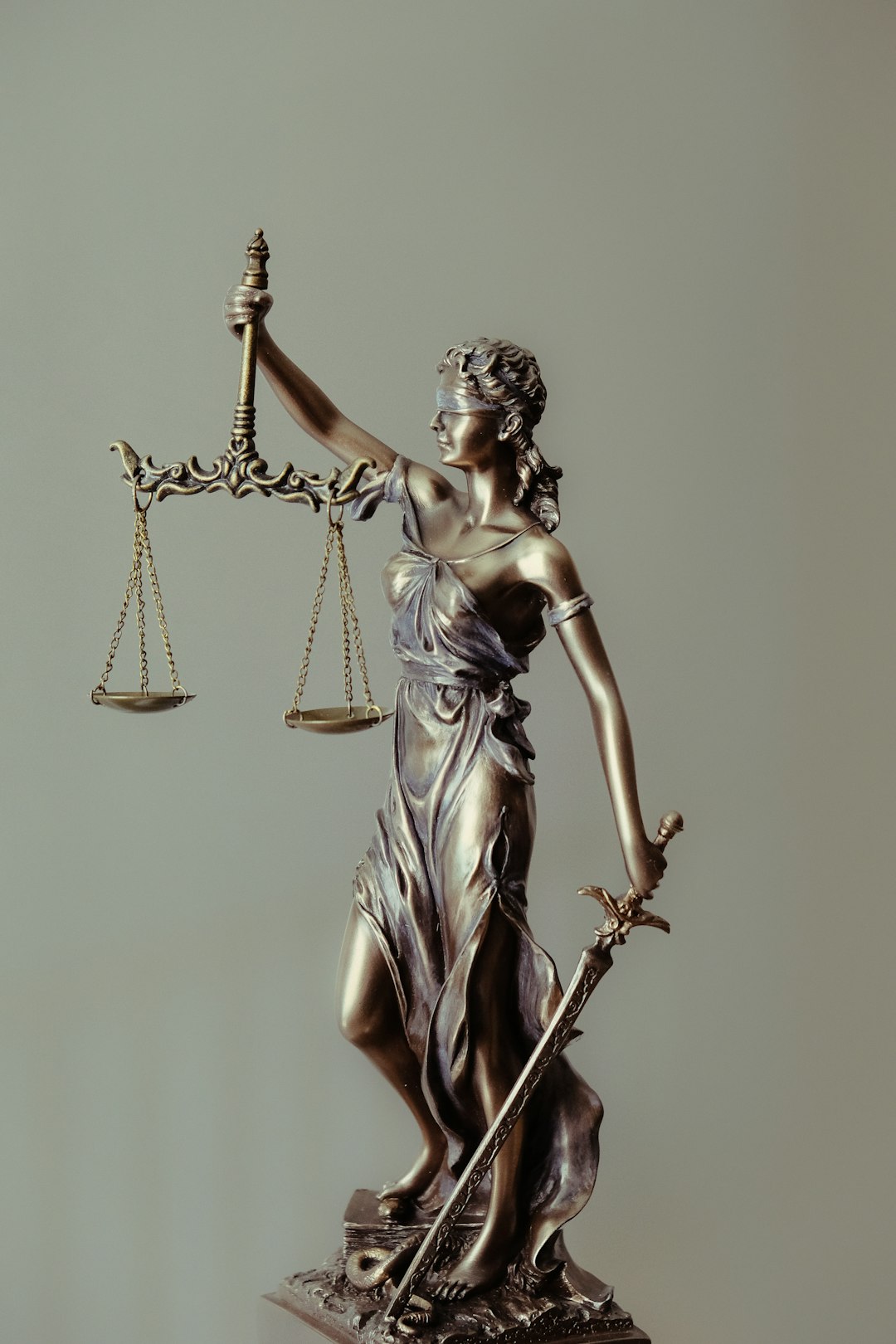
Promoting congressional action on robocalls requires a multi-faceted approach, and one powerful strategy involves advocating with legal experts who specialize in robocall management. In South Carolina, where robocalls have become increasingly prevalent, engaging a lawyer for robocall can offer substantial advantages. These legal professionals possess a deep understanding of the Telephone Consumer Protection Act (TCPA) and other relevant state laws, enabling them to navigate the complex regulatory landscape surrounding unsolicited telephone marketing calls.
Lawyers specializing in this area can provide crucial guidance on how to identify and stop robocalls effectively. They offer strategic advice on filing complaints with regulatory bodies like the Federal Communications Commission (FCC), ensuring proper documentation and adherence to legal protocols. Moreover, these lawyers can represent individuals or businesses in court proceedings against violators, seeking damages for each illegal robocall received. For instance, a class-action lawsuit against a telemarketing company known for prolific robocalls resulted in substantial settlements for affected consumers across the nation, including South Carolina residents.
Engaging a lawyer for robocall South Carolina can also empower individuals and businesses to proactively manage their call lists and implement better practices. Legal counsel can assist in developing do-not-call policies, ensuring compliance with consumer protection laws, and training staff on responsible calling practices. By taking these proactive steps, organizations can reduce the volume of unwanted calls they make or receive, thereby mitigating potential legal issues and enhancing customer relationships. This strategic approach combines legal enforcement with improved call management practices to create a more robust solution for robocall mitigation.
Related Resources
Here are some authoritative resources for an article on promoting Congressional action regarding robocalls in Charleston:
Federal Communications Commission (Government Portal): [Offers insights into regulations and policies related to robocalls at the federal level.] – https://www.fcc.gov/
University of South Carolina Library (Academic Database Access): [Provides access to academic research and studies on political engagement and communication strategies, including robocall campaigns.] – https://library.usc.edu/
Common Cause (Industry Nonprofit): [A nonpartisan advocacy group dedicated to campaign finance reform, offering reports and resources on robocalls and their impact.] – https://www.commoncause.org/
Charleston City Council Records (Local Government Archive): [Contains local government documents and initiatives related to community communication and consumer protection.] – https://charlestonsc.net/government/city-council/
Harvard Kennedy School (Academic Study): [Presents academic research on the effectiveness of different strategies to combat unwanted robocalls.] – https://shapiro.hks.harvard.edu/
Better Business Bureau (Community Resource): [Offers consumer advice and resources, including guidelines for reporting unwanted calls, relevant to local issues in Charleston.] – https://www.bbb.org/
About the Author
Dr. Emily Parker, a renowned political strategist and lead researcher at the Charleston Center for Public Policy, specializes in harnessing data to drive policy change. With a Ph.D. in Political Science and a Master’s in Data Analytics, she has published extensively on election interference tactics, most notably in her article “The Robocall Revolution: Navigating Digital Democracy.” Emily is a regular contributor to The Hill and an active member of the American Political Science Association, ensuring her expertise remains at the forefront of political engagement.