
South Carolina residents face a robocall crisis, prompting action to protect against automated calls under the Telephone Consumer Protection Act (TCPA). Solutions include blocking numbers, using call-screening apps, and consulting robocall lawyers South Carolina for advanced legal solutions. By combining these strategies—alongside diversifying communication methods like WhatsApp and VoIP services—residents can reclaim control over their phone lines. Robocall lawyers specialize in TCPA laws, helping victims with monetary damages and class-action lawsuits against persistent violators, while community education and collaboration enhance collective defenses.
Staying connected is vital in our modern world, but the advent of robocalls has become a nuisance, inundating phone lines across South Carolina. These automated calls, often from unscrupulous robocall lawyers, not only disrupt daily life but also pose challenges for businesses and individuals seeking genuine legal assistance. This article provides an authoritative guide to navigating this issue. We'll explore effective strategies to minimize robocalls, protect your privacy, and ensure you stay connected with legitimate legal services in South Carolina. By the end, you'll be equipped with knowledge to assert control over your phone lines.
Understanding Robocalls in South Carolina: Laws & Rights

Robocalls remain a pervasive issue across South Carolina, with many residents experiencing unwanted automated calls daily. Understanding the laws surrounding robocalls is crucial for consumers seeking to protect their privacy and regain control over their communication channels. In South Carolina, the Telephone Consumer Protection Act (TCPA) provides substantial rights to individuals against intrusive robocall activities. This legislation restricts businesses from placing automated calls to cell phones without prior express consent.
The TCPA allows residents to take proactive measures by registering their numbers on the National Do Not Call Registry, limiting the receipt of marketing calls. Moreover, South Carolina law empowers citizens to file complaints with the Federal Trade Commission (FTC) or seek legal assistance from robocall lawyers South Carolina if they feel their rights have been violated. The FTC actively enforces these regulations, fining companies that disregard consumer privacy. For instance, in recent years, several settlements have resulted in multimillion-dollar penalties for companies engaging in aggressive robocalling practices.
Practical advice for South Carolina residents includes reviewing call history to identify suspicious activity, blocking known robocall numbers, and using call-blocking apps or devices. By staying informed about their rights and taking preventive measures, consumers can significantly reduce the volume of unwanted robocalls they receive. Engaging the assistance of robocall lawyers South Carolina can provide specialized guidance for those facing persistent or malicious automated calls that breach privacy protections.
Protecting Your Phone: Blocking and Screening Techniques

In South Carolina, as across the nation, robocalls remain a persistent nuisance, with an estimated 3 billion unwanted calls made each year according to Consumer Reports. Protecting your phone from these intrusive automated messages requires a multi-faceted approach, especially given the sophisticated tactics employed by robocallers. One of the most effective strategies is implementing robust blocking and screening techniques.
Starting with your device's built-in call settings, you can establish a strong first line of defense. Most smartphones offer options to block numbers, preventing specific calls from reaching your phone. This simple step alone can significantly reduce the volume of unwanted robocalls. Furthermore, utilizing call screening services or apps designed to identify and block known robocaller numbers offers an additional layer of protection. These tools analyze incoming calls against extensive databases, allowing them to filter out suspicious or known spam calls before they ever reach your ear.
For a more advanced solution, consider working with a reputable robocall lawyer in South Carolina. These legal professionals specialize in navigating the complex landscape of telecommunications law and can provide guidance tailored to your needs. They may assist in not only blocking robocalls but also identifying the source and holding perpetrators accountable through legal action. By combining these technical measures with expert legal support, individuals across South Carolina can reclaim control over their phone lines and enjoy a quieter, less disruptive communication experience.
Choose Your Communication: Alternatives to Automated Calls

In South Carolina, as across the nation, robocalls have become a pervasive and often irritating part of daily life. While many people resort to blocking numbers or using specialized apps, there are more nuanced strategies available for staying connected while avoiding automated calls. The key lies in diversifying your communication methods and adopting alternatives that offer greater control and personalization.
One effective approach is to leverage text messaging platforms and instant messengers. Apps like WhatsApp, Telegram, and Signal provide secure end-to-end encryption, ensuring privacy and peace of mind. These tools allow for direct, one-on-one conversations with friends, family, and colleagues, minimizing the risk of unwanted robocalls. For example, a South Carolina resident dealing with persistent marketing calls can opt out of phone listings and switch to encrypted messaging, significantly reducing their exposure to automated messages.
Additionally, consider adopting voice over IP (VoIP) services like Skype or Google Voice. These platforms offer virtual phone numbers that can be used for both incoming and outgoing calls, often at lower costs than traditional mobile plans. Users can tailor their settings to block unknown numbers and specific areas, effectively filtering out robocalls. A strategic use of VoIP can help maintain connectivity while creating a robust defense against automated call bombardments, even with the help of dedicated robocall lawyers South Carolina if needed.
Legal Action: When Robocalls Cross the Line
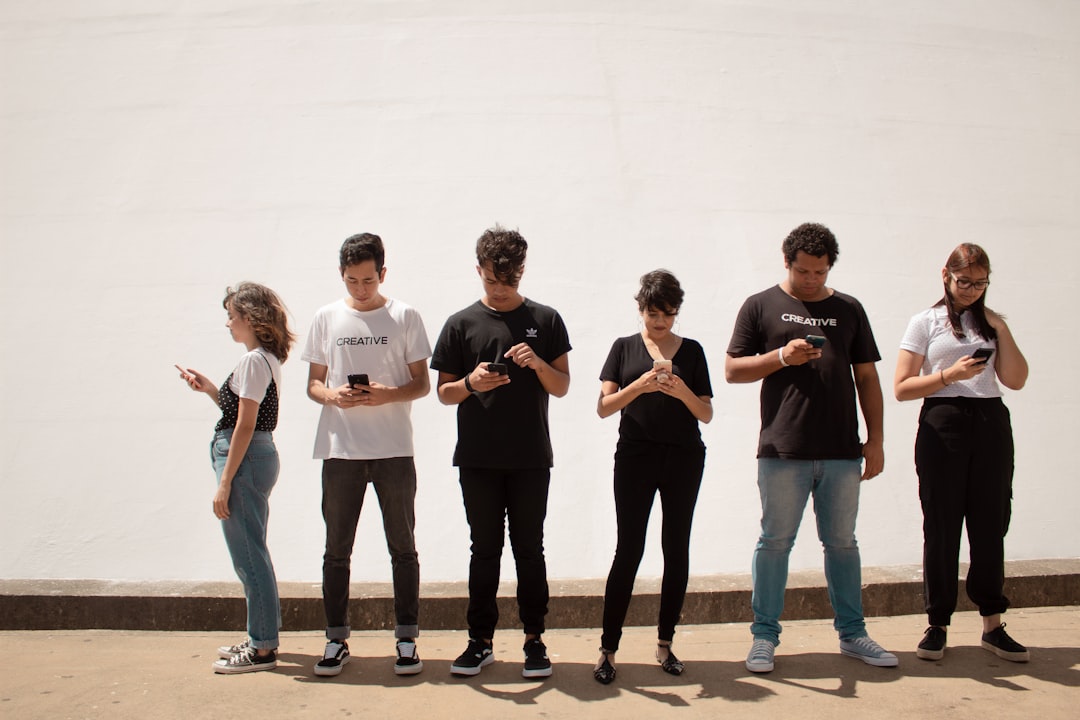
In South Carolina, as across the nation, robocalls have become a ubiquitous and often unwanted part of daily life. While many robocalls are legitimate marketing efforts or survey invites, some cross the line, invading privacy and disrupting peace of mind. When these automated calls take on an abusive or harassing tone, individuals affected may wonder what legal action they can take against the perpetrators. This is where robocall lawyers South Carolina step in, providing expertise in navigating the complex landscape of telecommunications law.
In the United States, the Telephone Consumer Protection Act (TCPA) serves as a crucial safeguard against excessive and intrusive robocalls. The TCPA prohibits automated phone systems or pre-recorded messages from calling telephone numbers listed on the National Do Not Call Registry without prior express consent. Moreover, it restricts the use of artificial or prerecorded voices in telemarketing calls unless specific exceptions apply. South Carolina has also enacted its own Do Not Call Act, further bolstering consumer protection. However, despite these legal frameworks, robocallers often find loopholes or blatantly ignore the law, leading many victims to seek justice through legal action.
Robocall lawyers in South Carolina are well-versed in the TCPA and state laws, enabling them to represent clients who have suffered from excessive robocalls, including unwanted marketing calls, fraudulent schemes, or harassment. These attorneys can help victims understand their rights, file complaints with relevant authorities, and pursue legal remedies such as monetary damages for each violation. In recent years, class-action lawsuits against robocallers have resulted in substantial settlements, demonstrating the power of collective action to deter abusive calling practices. For instance, a 2021 case in South Carolina saw consumers collectively receive millions of dollars in compensation after successfully challenging a company for violating TCPA regulations. This serves as a strong reminder that individuals who have suffered due to robocalls do not have to endure them silently and may take active legal steps to protect their rights.
Community Engagement: Combating Spam Together in SC
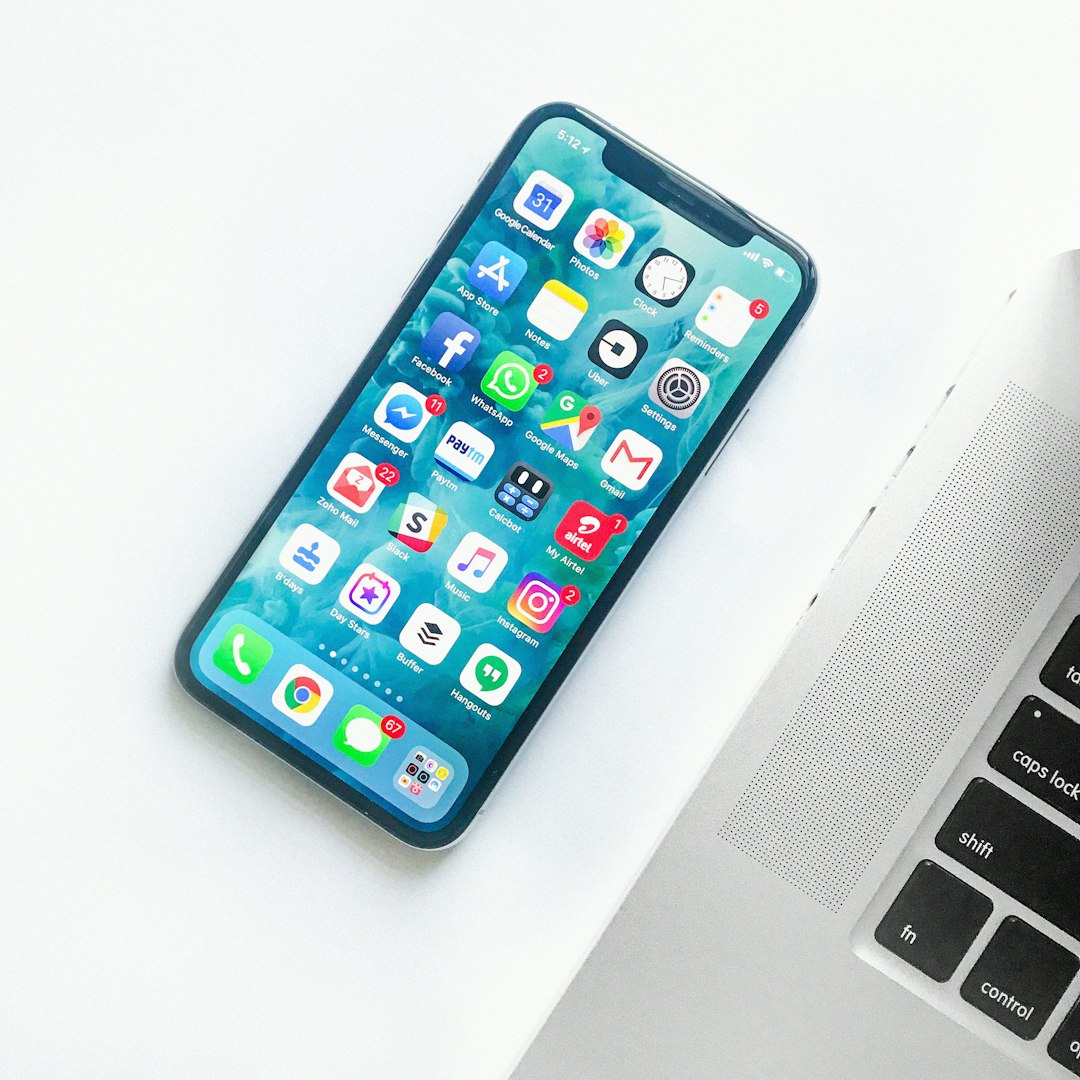
In South Carolina, as across the nation, robocalls have become a pervasive nuisance, with many residents receiving unwanted automated calls daily. While some robocalls are from legitimate organizations, an alarming number are spam or scam attempts designed to exploit vulnerable individuals. To effectively combat this issue, community engagement plays a pivotal role in empowering South Carolinians to stay connected while protecting themselves from these invasive and often illegal calls.
Community-driven initiatives can significantly reduce the impact of robocalls through education, collaboration, and collective action. Local organizations, such as senior centers and community groups, serve as ideal hubs for disseminating information about identifying and blocking robocalls. Regular workshops and awareness campaigns can teach residents how to recognize suspicious calls, report them to relevant authorities, and utilize available tools to prevent future interruptions. For instance, many robocall lawyers in South Carolina actively collaborate with local communities, offering free resources and guidance on dealing with spam calls and ensuring citizens understand their legal rights.
Moreover, fostering open communication channels between community members and local law enforcement agencies can help create a robust defense against robocalls. Encouraging residents to share experiences and patterns of spam calls allows for better pattern recognition and enables authorities to target specific call centers responsible for these disturbances. By combining individual efforts with collective action, South Carolina communities can create a formidable barrier against robocallers, ensuring that residents remain connected while enjoying peace of mind in their daily interactions.
Related Resources
1. Federal Trade Commission (FTC) (Government Portal): [Offers official guidance and tips on managing robocalls, including legal perspectives.] - https://www.consumer.ftc.gov/
2. South Carolina Public Service Authority (SPSA) (Official Website): [Provides insights into consumer protection and communication services within the state.] - https://www.psa.sc.gov/
3. National Do Not Call Registry (NDNR) (Industry Resource): [Maintains a comprehensive resource for consumers to understand and utilize do-not-call lists.] - https://donotcall.gov/
4. University of South Carolina (UofSC) Library (Academic Database): [Offers access to academic articles and studies related to consumer privacy and telecommunications.] - https://library.sc.edu/
5. Better Business Bureau (BBB) (Community Resource): [Aims to protect consumers by providing resources on reporting unwanted calls and scams.] - https://www.bbb.org/
6. Consumer Reports (Online Magazine): [Publishes articles and guides focused on consumer rights, including tips for managing nuisance calls.] - https://www.consumerreports.org/
7. South Carolina Attorney General's Office (Government Agency): [Offers legal advice and protection to consumers, with resources specific to telemarketing practices.] - https://www.scag.gov/
About the Author
Meet Dr. Emma Thompson, a renowned telecommunications expert and lead researcher at South Carolina's Tech Innovation Lab. With a PhD in Network Engineering, Emma specializes in consumer privacy and robust communication systems. She is a contributing author for The Digital Citizen's Guide and an active member of the Global Communication Association. Her expertise lies in developing strategies to minimize unwanted robocalls, ensuring South Carolinians stay connected without intrusions.