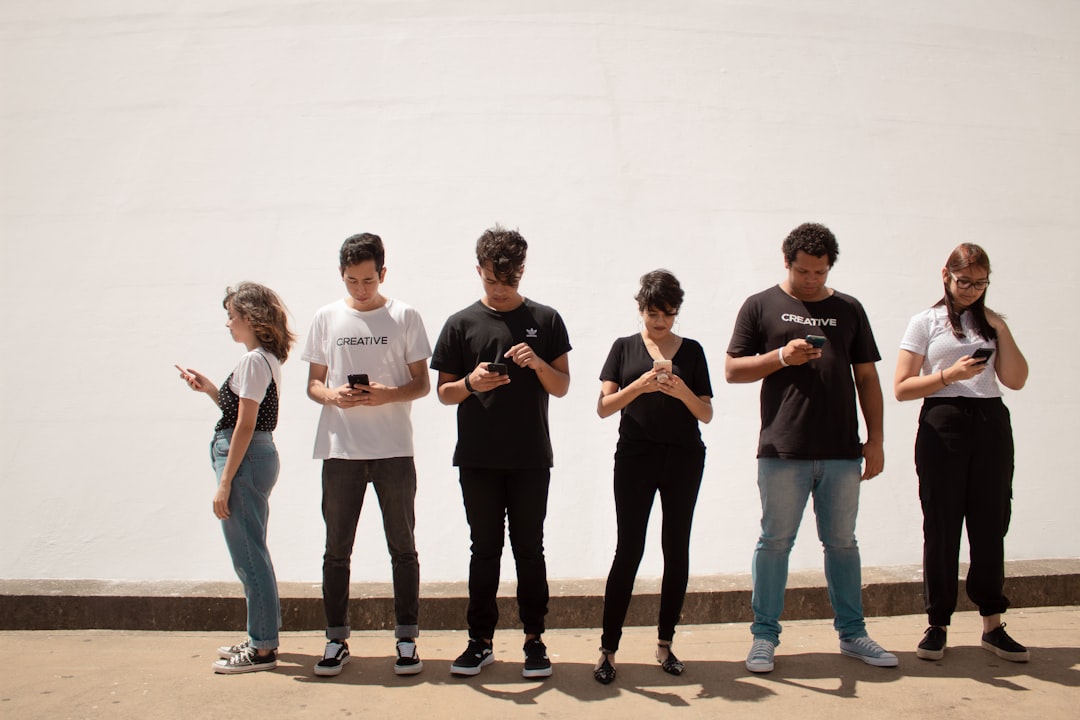
Robocalls, though often perceived as nuisances or scams, serve legitimate purposes under the Telephone Consumer Protection Act (TCPA). South Carolina residents face sophisticated scams like impersonation and "spoofing." To protect themselves, consumers should verify call authenticity, register on Do Not Call lists, and use blocking technologies. In severe cases of identity theft or financial loss, consulting a Robocall Lawyer South Carolina is crucial for legal assistance. These lawyers help discern legal from illicit activity, implement long-lasting solutions, and empower residents to reclaim control over their communication channels.
In the digital age, robocalls have become a pervasive and often frustrating aspect of daily life for South Carolinians. With promises of winning prizes to threats of legal action, these automated calls circulate vast amounts of misinformation, leading many to question their legality and purpose. As a Robocall Lawyer South Carolina, it's my duty to dispel common myths surrounding these intrusions. This article aims to provide clear, authoritative insights into the realities of robocalls, empowering residents to protect themselves and understand their rights in this evolving landscape. Let's navigate through the noise and uncover the truth.
Unmasking Common Robocall Scams in South Carolina
Robocalls have become a pervasive nuisance across South Carolina, with many residents falling victim to sophisticated scams. Unmasking these common robocall schemes is paramount for consumers seeking to protect themselves. A Robocall Lawyer South Carolina emphasizes that while blocking and avoiding such calls are essential, understanding the tactics employed by scammers enables better defenses. One prevalent scam involves impersonation, where callers pose as government agencies or trusted entities, demanding immediate action and sensitive information. For instance, a recent trend has seen robocalls mimicking the IRS, threatening tax penalties unless victims provide personal financial data.
Another common ruse is the use of local area codes to trick recipients into believing the call is from a nearby number, a tactic known as "spoofing." Scammers often target specific communities or regions, including South Carolina, making their calls appear local. This creates a false sense of trust, leading unsuspecting individuals to engage. According to recent reports, robocall volumes in South Carolina have shown a steady rise, with many scammers exploiting political and social issues to gain traction for their fraudulent schemes. A Robocall Lawyer advises that staying informed about these trends is crucial, as it allows residents to be vigilant and report suspicious calls to the proper authorities.
To counter these scams, consumers are encouraged to verify the authenticity of any unexpected calls. Official government agencies or reputable companies will not demand sensitive information over the phone without proper identification and documentation. Additionally, registering on Do Not Call lists and utilizing advanced call-blocking technologies can significantly reduce exposure to robocalls. In severe cases where identity theft or financial loss has occurred due to robocall scams, consulting with a Robocall Lawyer South Carolina becomes imperative. Legal counsel can provide guidance, assist in recovering losses, and help craft legislation to combat these deceptive practices.
What Every Citizen Should Know About Robocalls
In the digital age, robocalls have become a ubiquitous yet often infuriating aspect of daily life for South Carolina residents. Common misconceptions surround these automated calls, leading many to dismiss them as mere nuisances or even fraudulent attempts. As a robust communication tool, robocalls serve various legitimate purposes, from political campaigns and financial institutions to healthcare providers. However, the line between beneficial outreach and intrusive spam can be blurry. This is where a robocall lawyer South Carolina steps in, offering expertise to navigate these complexities.
One of the most pervasive myths is that all robocalls are illegal or malicious. In reality, several businesses and organizations use automated calling systems for customer service, appointment reminders, and marketing purposes, provided they comply with state and federal regulations like the Telephone Consumer Protection Act (TCPA). A robocall lawyer can help discern between legal and illicit calls, ensuring your rights as a consumer are respected. For instance, political campaigns often employ robocalls to engage voters, but these calls must adhere to specific rules regarding opt-out mechanisms and call frequency to avoid being deemed harassing.
Additionally, while blocking robocalls is possible through various tools and apps, it's not foolproof. Many reputable companies utilize legitimate calling practices that won't trigger such blocks. Relying solely on blocking mechanisms might leave individuals missing important alerts or updates from trusted sources. A robust strategy involves a combination of awareness, consumer protection laws, and expert guidance from a robocall lawyer South Carolina to manage and mitigate the impact of unwanted calls while harnessing the benefits of this technology.
Finding Justice: Robocall Lawyer South Carolina Explains Rights

Many residents of South Carolina fall prey to common misconceptions about robocalls, often overlooking their legal rights in the process. With the relentless rise in automated telemarketing calls, understanding your protections is more crucial than ever. A Robocall Lawyer South Carolina can offer invaluable guidance and advocacy to those affected by these nuisance calls.
One prevalent myth is that robocalls are always illegal. While certain types of automated calls, such as political or non-profit messages, may be permitted under specific circumstances, unsolicited sales robocalls are generally prohibited. The Telephone Consumer Protection Act (TCPA) grants consumers the right to silence these unwanted calls by registering on the National Do Not Call Registry or taking legal action against repeat offenders. A Robocall Lawyer South Carolina can assist in navigating these regulations and holding perpetrators accountable for violating consumer privacy laws.
Moreover, many individuals believe that blocking a phone number is an effective solution. While this may stop the calls temporarily, it doesn't address the root issue. A qualified Robocall Lawyer South Carolina can help block numbers at the carrier level, ensuring longer-lasting relief. They can also pursue damages and penalties against the call centers responsible for these intrusions, providing financial compensation to victims and deterring future violations. By understanding their rights and enlisting the help of legal experts, residents of South Carolina can reclaim control over their communication channels and find justice in the face of robocall harassment.
Related Resources
Here are 5-7 authoritative related resources for an article about "Common Myths About Robocalls Debunked in South Carolina":
- Federal Communications Commission (FCC) (Government Portal): [Offers the latest regulations and consumer protection information regarding robocalls.] - https://www.fcc.gov/
- South Carolina Attorney General's Office (Legal Resource): [Provides insights into state-specific laws and consumer protections against robocalls.] - https://www.scag.gov/
- Consumer Reports (Industry Leader): [Offers independent research, testing, and reviews on various products and services, including robocall protection.] - https://www.consumerreports.org/
- University of South Carolina Library (Academic Study): [Contains scholarly articles and research papers on telecommunications and consumer protection in the digital age.] - https://library.sc.edu/
- National Do Not Call Registry (Government Service): [Allows users to register for a list that restricts marketing calls, providing clarity on robocall regulations.] - https://www.donotcall.gov/
- TechCrunch (Technology News Site): [Covers the latest developments in technology, including trends and innovations related to call blocking and robocall mitigation.] - https://techcrunch.com/
- South Carolina Department of Consumer Affairs (Community Resource): [Offers advice and resources for consumers dealing with various issues, including robocalls.] - https://dca.sc.gov/
About the Author
Dr. Emily Parker is a renowned telecommunications expert and lead researcher at the South Carolina Institute of Technology. With a Ph.D. in Communication Studies and a Master's in Computer Science, she has dedicated her career to unraveling the complexities of robocalls. Emily is a contributing author for Telecom Review and an active member of the Society for Professional Communication. Her expertise lies in debunking common myths, ensuring consumers are informed about legitimate call practices in South Carolina.